After experiencing a trauma, it’s typical to reflect over your losses. If it was a divorce, maybe you look inside your bedroom where there used to be a closet full of cologne-scented suits and ties and are now a row of empty spaces and places and silence.
You say to yourself, “This is all that remains.”
If you had a job loss, perhaps you sift through a box of the packed items from your office: an ID badge that’s faded and worn, and old pay stubs. You say, “This is all that remains.”
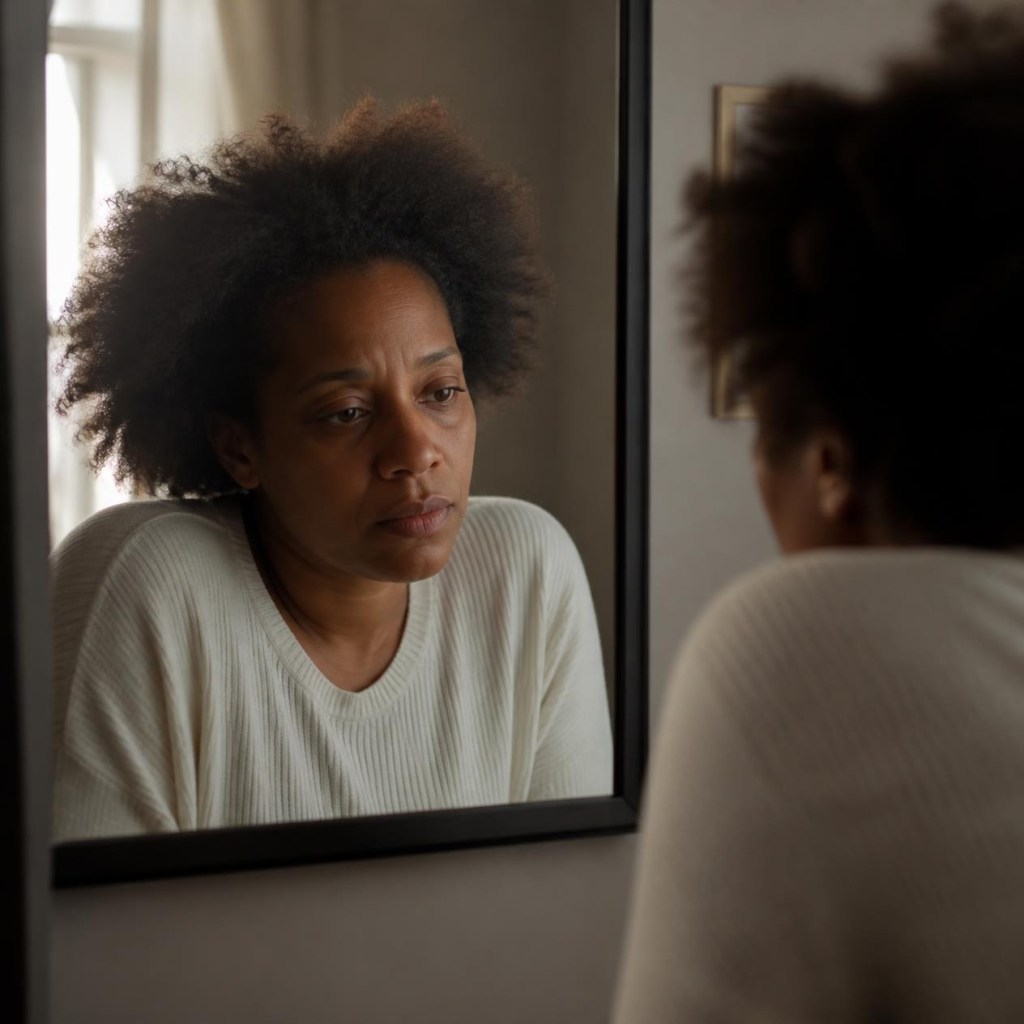
I survived Stage III breast cancer with months of chemotherapy, searing radiation, and surgery. One day, I found myself alone in the bathroom, standing in front of a mirror. I saw eyebrows and eyelashes that didn’t fully grow back in, hair thinning on the top of my head, permanent scars on your sides and chest from the invasive port and drains, and for me, a right breast that is gone for good.
With tears in my eyes, I stared at myself and the aftermath and lamented, “This is all that remains.”
After a major hurt or trauma, you are left with what feels like the aftermath of an atomic bomb. You feel shattered, like a pile of shards sitting over in a lonely corner with no value and no purpose.
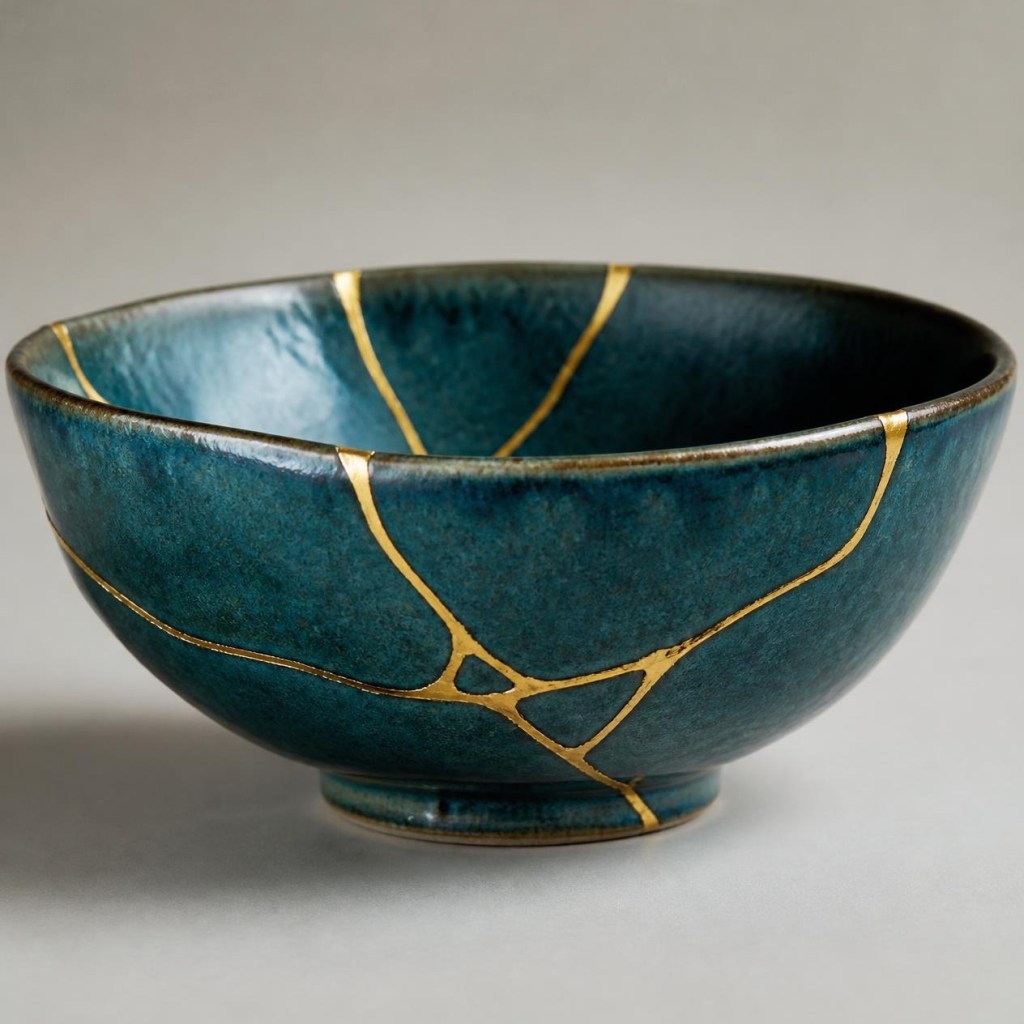
There is a Japanese tradition called Kintsugi which is the art of taking broken pieces of pottery and putting them back together using gold. Instead of glue or cement, this fine metal is melted and used to fill in the cracks and restore an object back to wholeness.
It is built on the idea that in embracing flaws and imperfections, you can create something even stronger and more beautiful. As a philosophy, it treats breakage and repair as part of the history of an object, rather than something to despise.
So a broken plate or a shattered teacup is not discarded. It is put back together with dignity. Those golden veins that line it, tell its story of how it overcame being a shattered mess to a thing of beauty.
It is no longer a regular cup or plate that is kept in the corner of the cabinet, it is a piece of art to be displayed and admired.
Breast cancer survivors, trauma survivors, you may have been shattered but you are not discarded. You were broken, but just like those pottery pieces, JESUS CHRIST, the chief potter, was able to put you back together. He repaired what was destroyed and made it a thing to be celebrated.
Isaiah 61:3 says …and provide for those who grieve in Zion— to bestow on them a crown of beauty instead of ashes, the oil of joy instead of mourning, and a garment of praise instead of a spirit of despair.
Oftentimes, we forget that we survived. We live in a world where the appearance of perfection is celebrated. God is close to the brokenhearted and saves those who are crushed in spirit.
Do not despise the aftermath of the journey. You can have beauty from your brokenness because your brokenness led to your story. Just like in Kintsugi, gold is used to restore broken pottery, God takes His golden salve of the Word to seal you back up.
He scoops up those broken pieces and takes them one at a time and carefully mends you.
Some of us bear the scars of our journey, but we should not despise it.
Remember the story of Jacob and Esau??? Well, in Genesis 32, after Jacob had long fled, he was headed back to his homeland because God had instructed him to. But waiting there was his brother Esau and we all know how Jacob and his mother had tricked Esau out of his father’s blessing; so Jacob was afraid that it would be payback time. He was afraid and distressed and was letting all kinds of things run through his mind about what could happen. So he went to God and in verse 26, Jacob began to wrestle with him. He said, “I will not let you go until you bless me.”
If unforgiveness is crippling you, the hurt, the pain, the memories, GO TO GOD. Like Jacob, you go before the Father and wrestle in prayer, in supplication and say I am not going to let you go until you bless me.
After that, Jacob got his blessing, but he walked with a limp, but I bet that was a smooth limp because it shows he had to fight for his blessing. It was his testimony of God’s deliverance.
You may say, “a limp.” That doesn’t look like a blessing. Sometimes wholeness doesn’t mean restored to its former state. Sometimes wholeness means touched by God and limping with a testimony.
You may have one breast or a smaller house than before or fewer friends, but you are alive to tell the story of how you wrestled with God, He spared your life and left you with a BLESSING.
We get caught up in the loss and not realize the gain; the beauty from ashes.
They say people who lose their sight or other senses experience a heightened ness of their others. Lose one thing, and get an infusion of strength in another.
I lost my breast but I am slowly finding my femininity again. These days, I may put on some lipstick or eyeliner when I wake up. My daughter Simone will ask why I’m wearing makeup. Cuz I want to,
Have you taken the time to reflect — and even rejoice — in all that remains?????? Or, do you have to lose something else to appreciate what you have?
You still have value. As a matter of fact, you are even more of an original.
Stop focusing on what you lost and rejoice in what remains.
We must flip it.
He left. Huh? But LOOK at all that remains. My mind, my hips, my heart.
My job is gone. But LOOK at all that remains, my sanity, my time and my freedom to finally walk in my purpose.
I survived cancer but LOOK at all that remains —- my strength, my health, my joy.
God kept His promise to me, too; not that I would have two breasts — He did not promise me that, but He did promise that He would never leave me nor forsake me. He kept His word. I may have been broken, but I am cancer-free and I have a testimony!


Leave a Reply